Zum Inhalt springen
Call

BS-108M10BCBB-GG

GLASS-GLASS BLACK BACK CONTACT

480 – 490 W

GLASS-GLASS BLACK BACK CONTACT

BS-108M10BCBB-GG Bifacial glass-glass half-cell module: black Aesthetics meets maximum efficiency

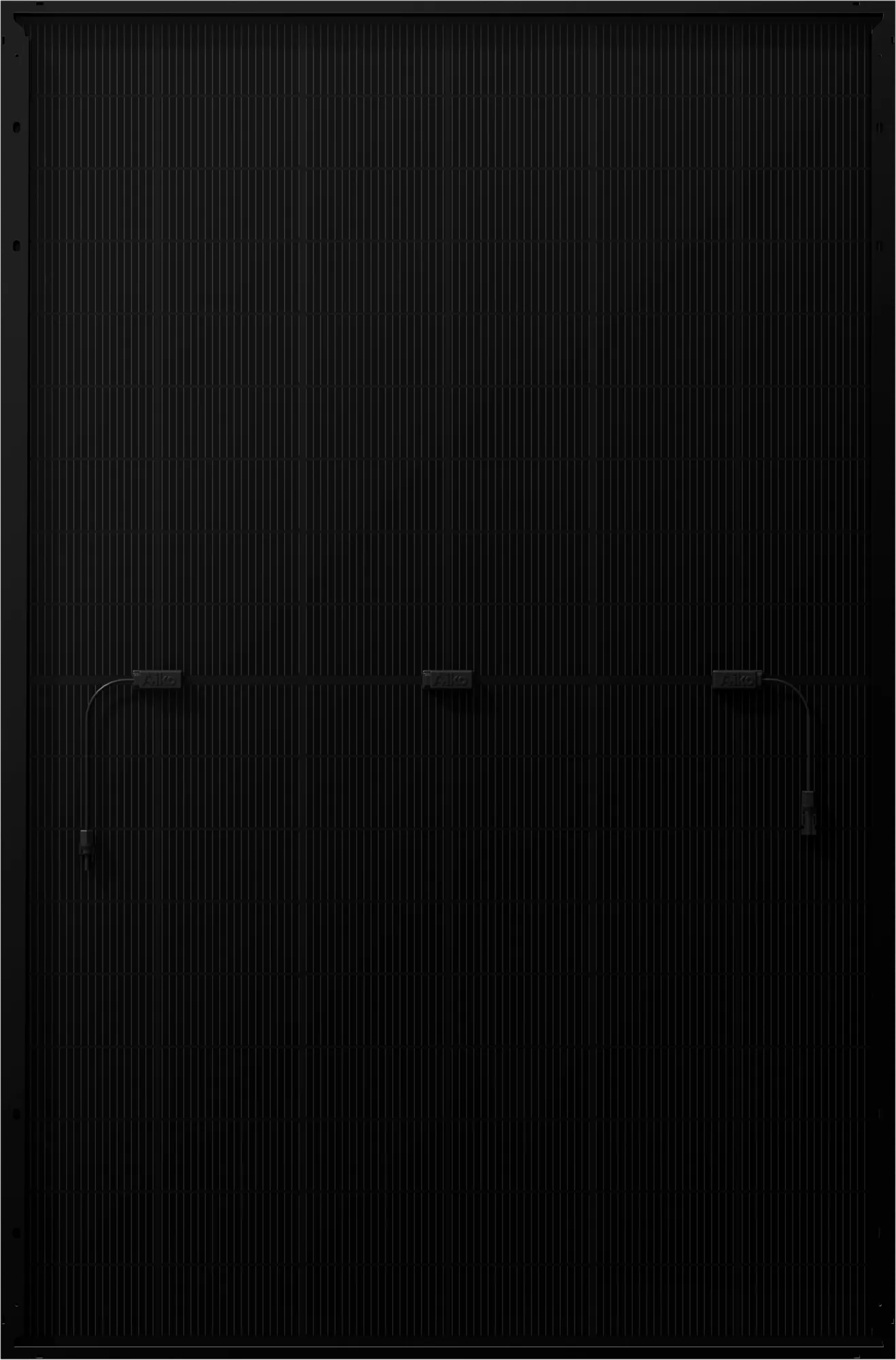
Back Contact (BC) technology is revolutionizing the design of solar modules. Unlike conventional modules, where the current conductors (busbars) are visible on the front, this innovative design relocates all conductor tracks to the back of the cells.

The result: The front side remains completely free of metal conductors, which not only ensures an aesthetic, unobtrusive appearance but also maximizes light yield.

IMPROVED EFFICIENCY

Since the front of the cell is completely free of shading, more active surface area is available. This means greater light absorption and, consequently, higher efficiency.

ANTI SHADING TECHNOLOGIE

Minimizes power loss and keeps solar output stable even in partial shading

IMPROVED TEMPERATURE STABILITY

Thanks to optimized thermal management, BC cells deliver consistent performance even at high temperatures.

BACKWARD CURRENT FLOW

With back-contact technology, the current takes the most direct path, which minimizes resistance losses and maximizes efficiency.

GERMAN GUARANTOR

If necessary, a German company will handle the claims settlement

FLAWLESS ALL-BLACK DESIGN

A solid black front panel with no visible contacts, designed to meet the highest aesthetic standards.

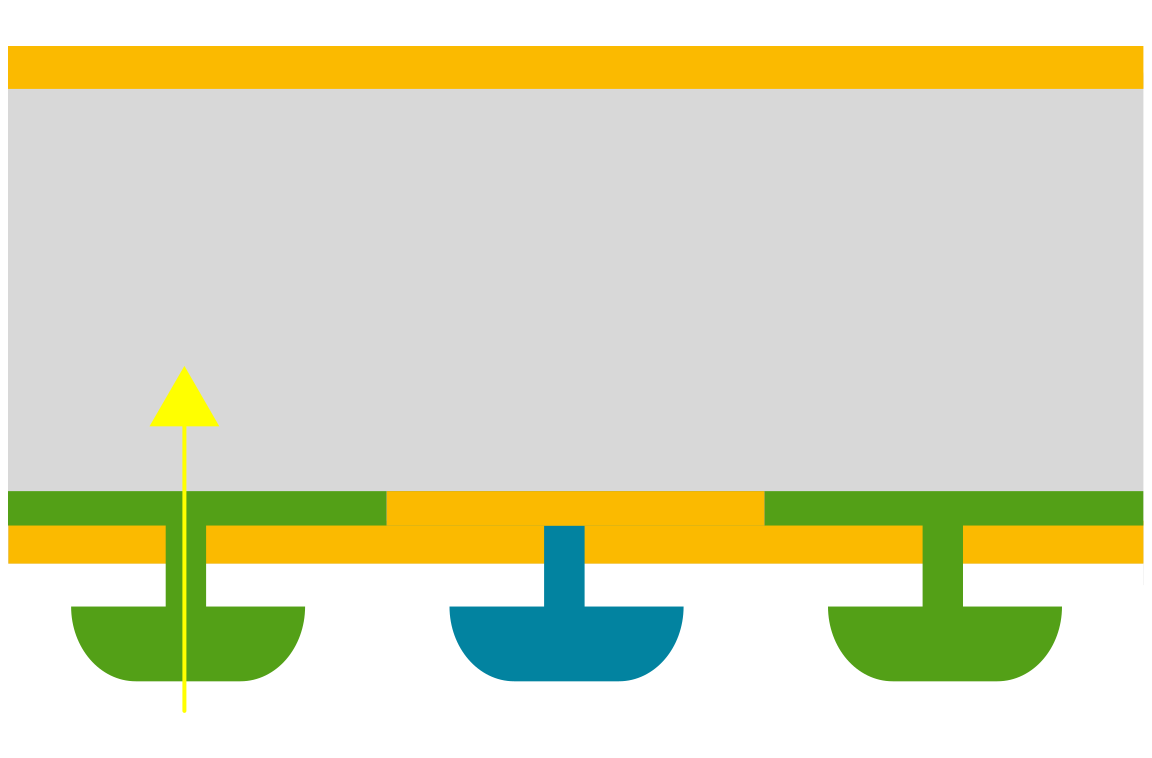
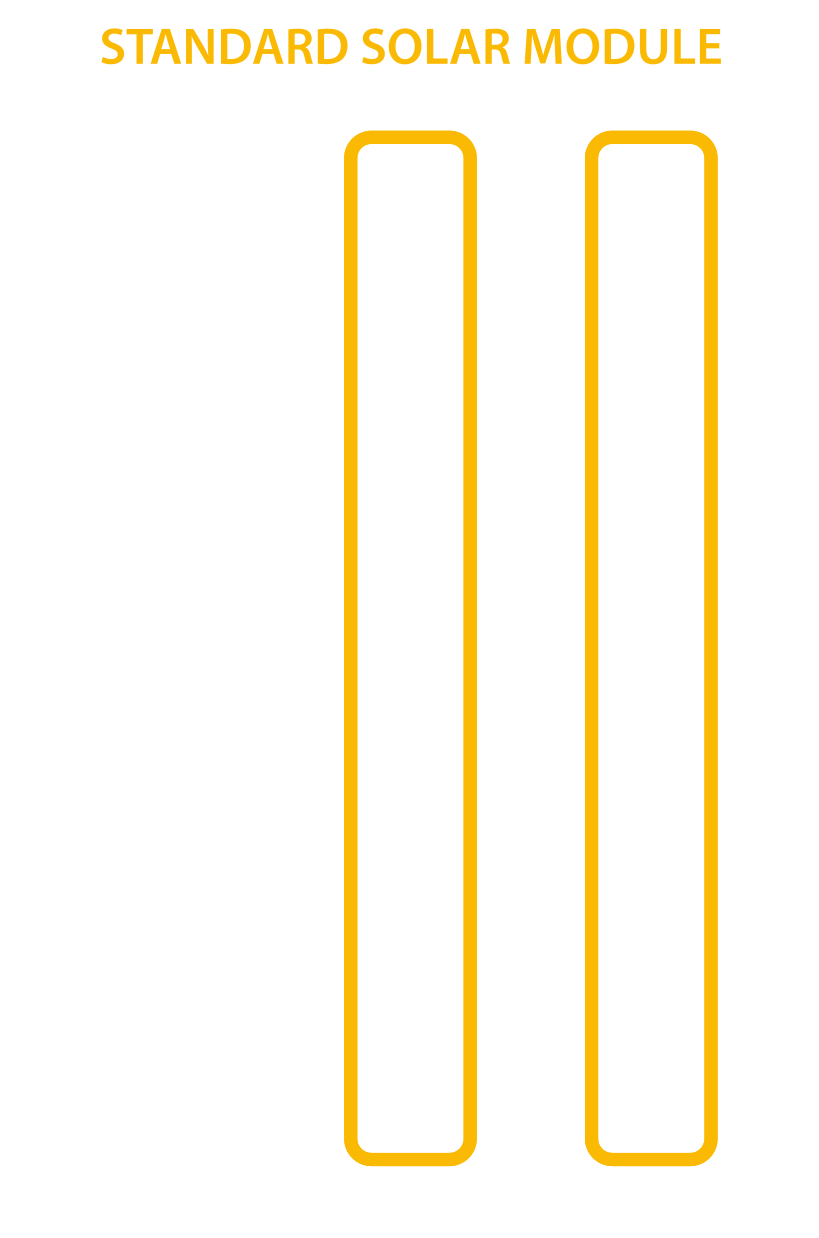
1. CONVENTIONAL SOLAR CELL

In a conventional solar cell, electricity flows through the semiconductor layers. If part of the cell is in the shade, the electrical resistance in that area increases dramatically.

  • The problem: If the N-type depletion layer lacks structures to route the current around this blockage, the current flow breaks down.
  • The result: To prevent the cell from overheating (hotspot formation), the bypass diode must kick in. While this protects the hardware, the energy from a large portion of the module is lost and does not contribute to the output.

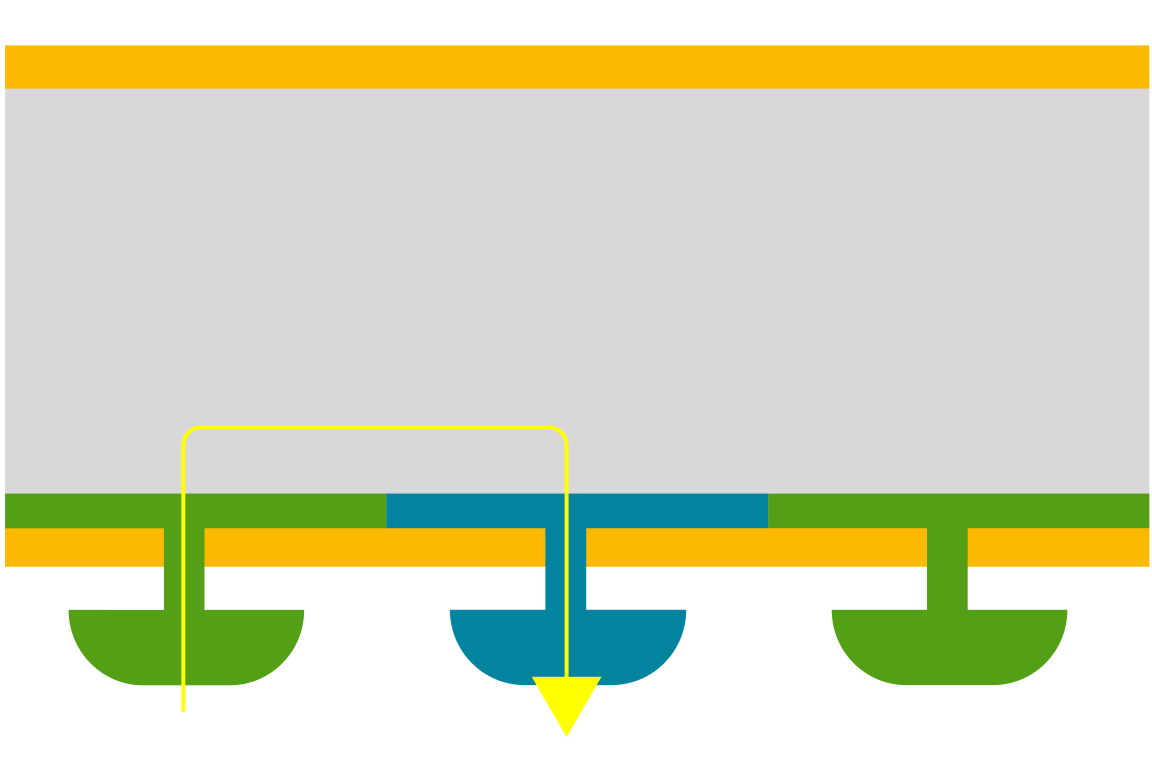
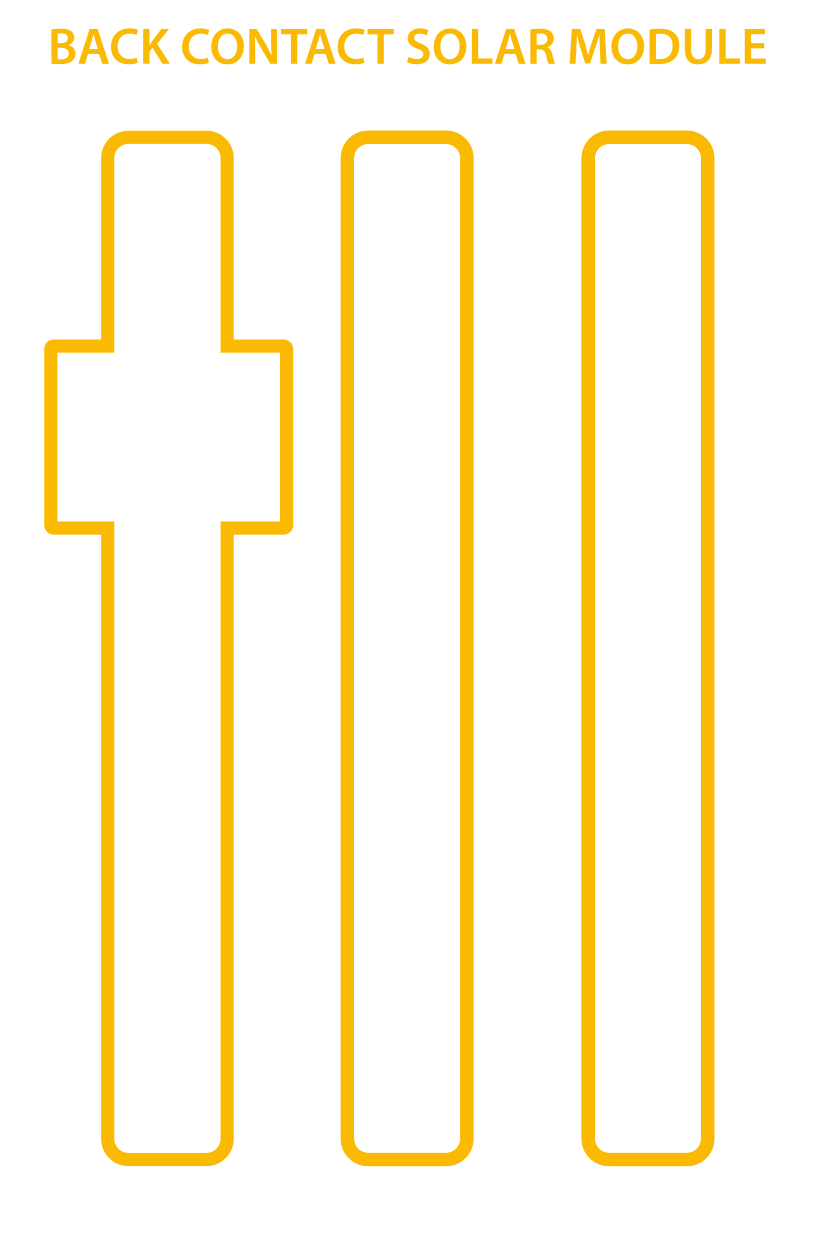
2. BACK CONTACT SOLAR CELL

Back-contact modules offer a solution through a bipolar layer structure and microchannels.

  • Active separation: An additional bipolar layer between the N-type and P-type layers creates intelligent detours at the microscopic level.
  • The advantage: Current can flow more flexibly within the cell. Even if part of the cell is shaded, this structure allows the current flow to be controlled directly at the cell level, rather than shutting down the entire module segment via a bypass diode.
Shield icon with 'GUARANTEE+' text, representing Bauer Solar's extended warranty for modules

MORE SECURITY WITH GUARANTEE+

Our extended guarantee for your planning security. GUARANTEE+ covers the module guarantee and a lump-sum compensation of €150 for the replacement of a defective module. As a PV installer or solar technician, simply register your purchased BAUER modules on our specialist partner portal and your customers will benefit from unique guarantee advantages if required. Comprehensive cover for system operators, no guarantee trap, maximum reliability.

ANTI-SHADING TECHNOLOGY IN DETAIL

Shading caused by chimneys, trees, or similar objects is unavoidable in solar systems. This is where back-contact technology really shines.

The problem with conventional modules

In the event of partial shading, a bypass diode is typically activated to prevent hotspots (overheating). However, this completely interrupts the current flow through the shaded area, resulting in significant power losses.

The Solution

Our back-contact modules utilize anti-shading technology with a bipolar cell design.

  • Flexible current paths: Instead of shutting down entire cell groups, the module flexibly reroutes the current through alternative paths.
  • Continuous power output: Unshaded areas continue to operate efficiently. The effects of shading are significantly reduced, without the need to activate bypass diodes.

Always reliable, available and nearly complaint-free. Our modules are the result of more than 20 years of experience in module manufacturing and the renewable energy sector.

HIGHER PERFORMANCE AND EFFICIENCY

Due to the improved durability and lower degradation over time, glass-glass solar modules often achieve higher efficiency and performance compared to conventional modules.

RESILIENCE

The use of toughened glass on both sides reduces the risk of damage from external impacts, e.g. hail or storms, and minimises the risk of fire.

IMPROVED ENVIRONMENTAL COMPATIBILITY

Glass is a recyclable material, which improves the disposal and recycling process of the modules and thus reduces the environmental impact.

ABLE TO WITHSTAND UP TO 620 KG/M²

BAUER’s glass-glass solar modules have a particularly high load-bearing capacity through double glazing.

CERTIFIED TO FIRE CLASS A AND HAIL RESISTANCE CLASS 3

BAUER glass-glass solar modules are extremely weatherproof and fire-resistant because they do not contain an embedding film.

TEMPERED GLASS WITH ANTI-REFLECTIVE TECHNOLOGY

The toughened glass with a thickness of 2 millimetres is dirt-repellent, scratch-resistant, and shock-proof.

STATE-OF-THE-ART SOLAR TECHNOLOGY THANKS TO FULLY AUTOMATED PRODUCTION

Our modern, fully automated production lines ensure efficient and quality-assured manufacturing of the modules and allow direct adaptation to technological innovation.

BACK CONTACT BIFACIAL HALFCELLS

Up to 30% higher yield thanks to bifacial back contact cells and a transparent back.

QUALITY & CERTIFICATION

Every stage of the manufacturing process is subject to continuous quality assurance. All solar modules undergo extensive performance tests and are certified several times by accredited test centres.

PID TESTING

The solar cells of our modules undergo potential-induced degradation (PID) testing.

CLIMATE PROTECTION

Sustainability and climate neutrality during production are already core focuses for us, and our environmental management system is certified in accordance with ISO 14001.